
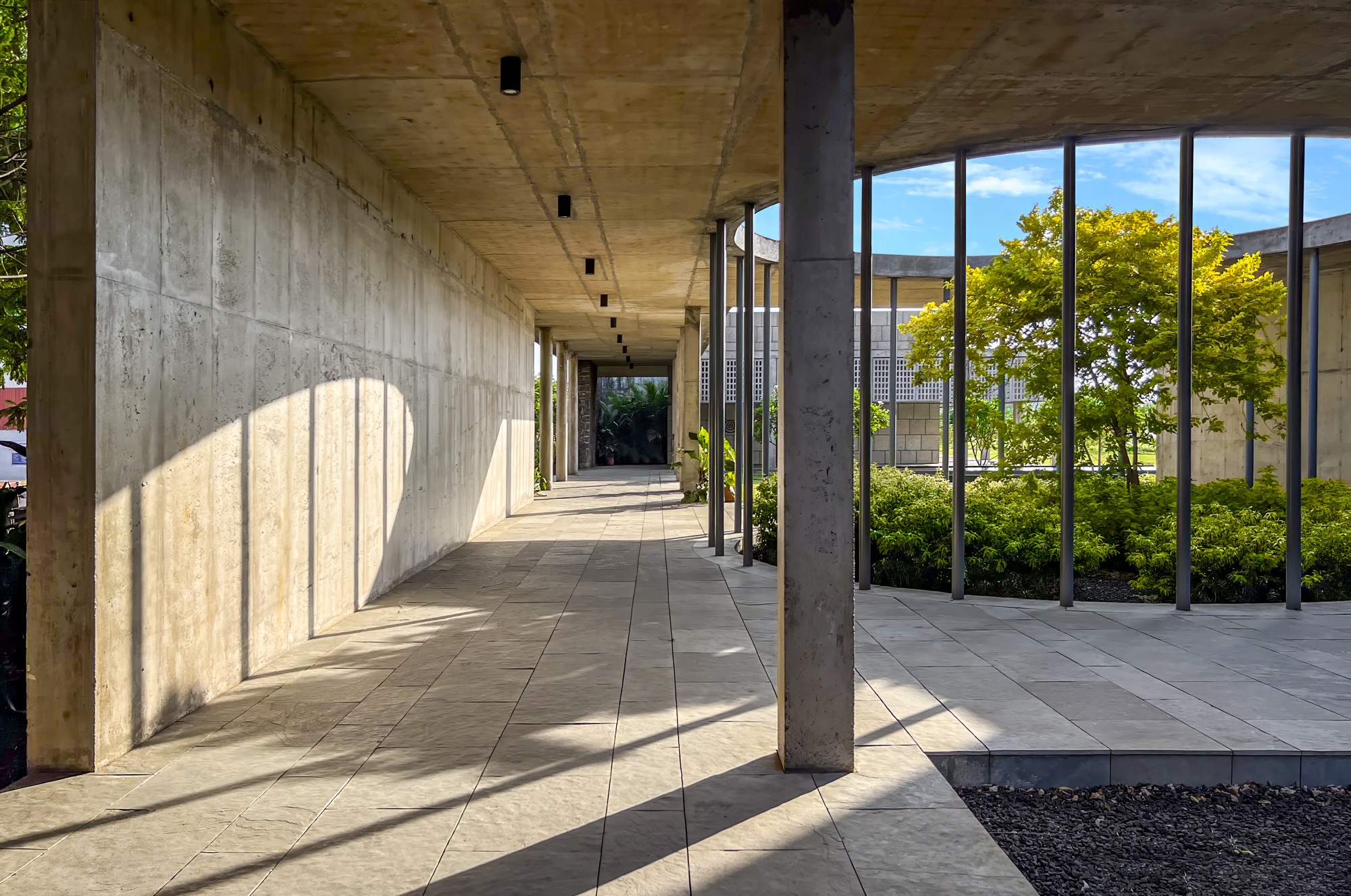
Considering our fast-paced & urbanized world, the connection between humans and nature has become increasingly vital. Especially when the outdoor open spaces are shrinking due to extreme space crunch in metros. As our built environments expand, the need to integrate natural elements into our daily lives has never been more important. Biophilic landscape design bridges this gap — creating spaces that are not just functional, but restorative, inspiring, and sustainable.
Biophilic Design Integration
At its core, biophilic design focuses on incorporating nature into built environments to improve human health and wellbeing. This can be achieved through elements such as green walls, planter-integrated furniture, and interior gardens that seamlessly bring nature indoors. These features not only beautify spaces but also enhance comfort and connection to the natural world.
Incorporating natural materials, organic forms, and dynamic light patterns helps create environments that feel alive and engaging. This approach aligns perfectly with contemporary values of sustainability, wellness, and lifestyle integration — promoting healthier living by improving access to natural light, fresh air, and greenery. Research consistently shows that such access reduces stress levels, boosts mood, and improves overall quality of life.
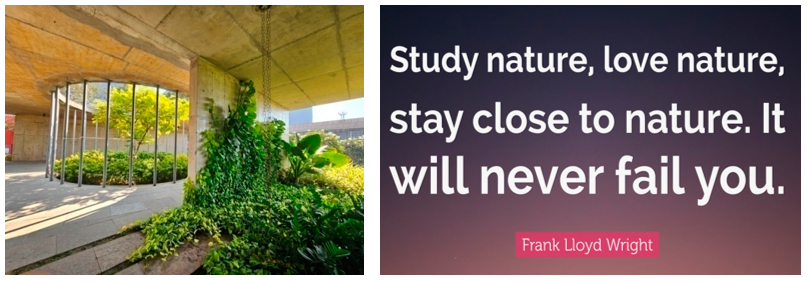
Admin block for JSW At Vasind.
Architect – Edifice Consultants Pvt.Ltd.
Maximizing Urban Spaces
One of the most remarkable advantages of biophilic design lies in its ability to maximize the usable footprint of a site. Especially in dense urban settings or smaller properties, strategic integration of natural elements can make spaces feel larger, more open, and adaptable. Through vertical gardens, rooftop greenscapes, and living facades, even compact environments can offer the calming benefits of nature.
One of the most remarkable advantages of biophilic design lies in its ability to maximize the usable footprint of a site. Especially in dense urban settings or smaller properties, strategic integration of natural elements can make spaces feel larger, more open, and adaptable. Through vertical gardens, rooftop greenscapes, and living facades, even compact environments can offer the calming benefits of nature.
Biophilic Landscapes in Corporate Offices
Modern workplaces are evolving rapidly, and with employees spending more than 30% of their daily time in offices, the importance of designing spaces that nurture both body and mind cannot be overstated.
A biophilic landscape in corporate settings introduces nature as a catalyst for wellbeing and performance. Exposure to natural elements enhances mental clarity, reduces fatigue, and fosters a sense of calm. As a result, it contributes to higher productivity, improved creativity, and more meaningful employee engagement. In short, when people feel better, they work better.
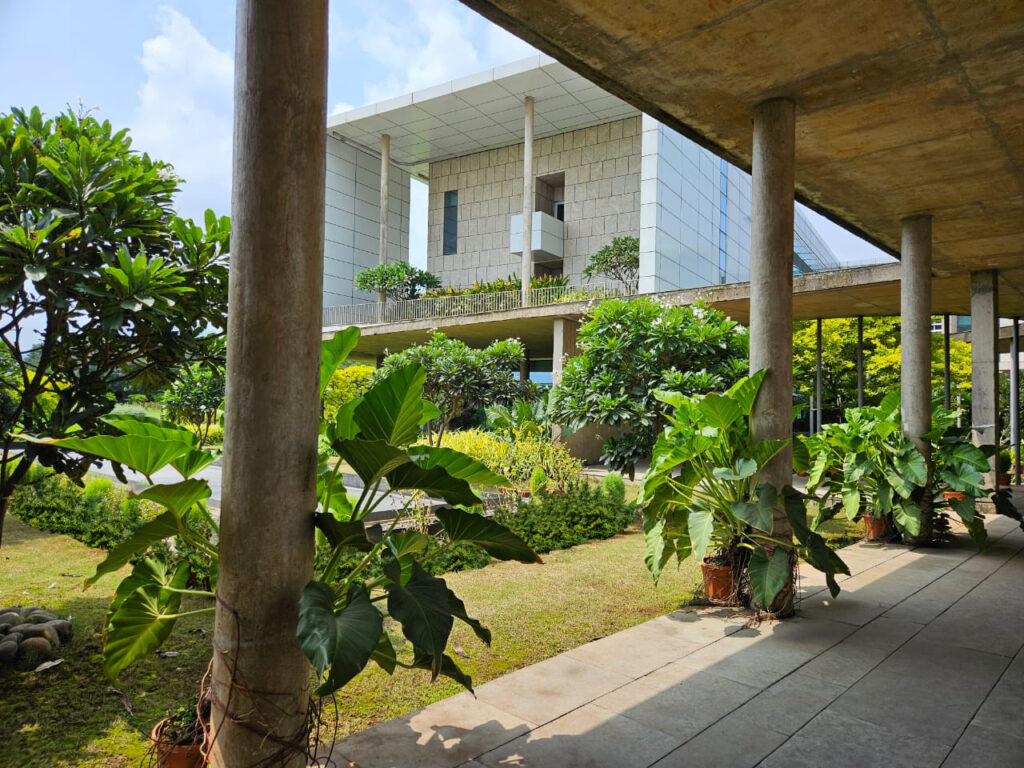
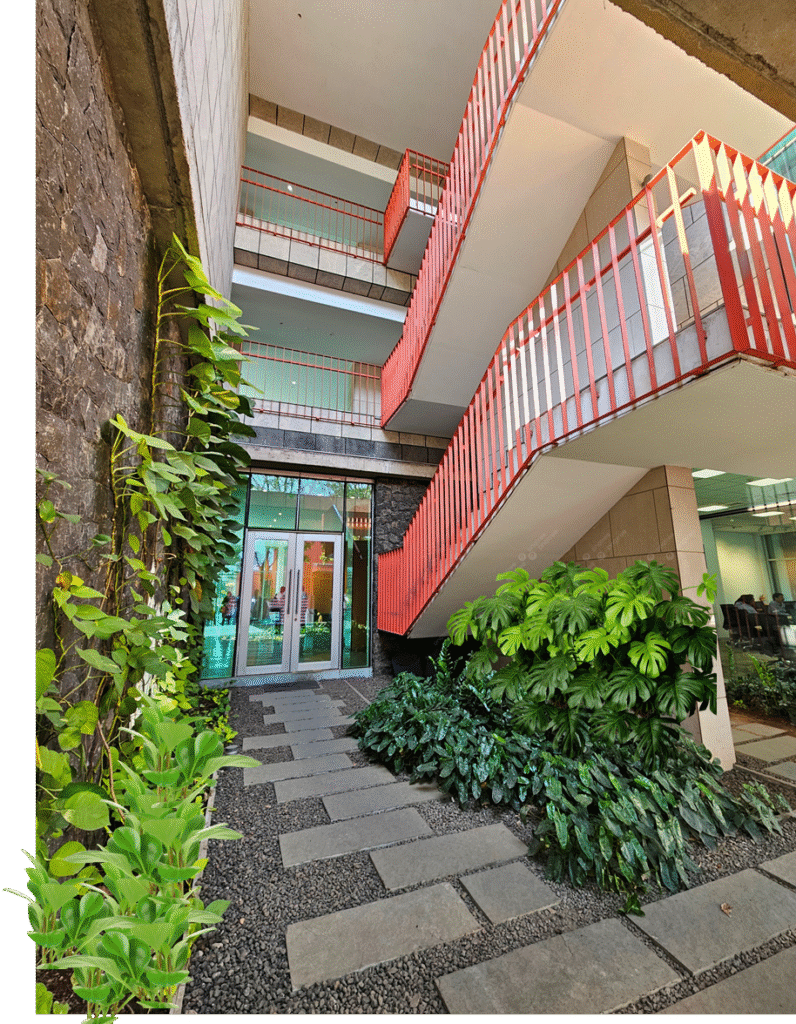
Admin block for JSW At Vasind.
Architect – Edifice Consultants Pvt. Ltd.
Biophilic landscape design is more than an aesthetic choice — it is a philosophy that reconnects people with the natural world in meaningful, measurable ways. By integrating nature into our living and working spaces, we not only build healthier environments but also nurture a more sustainable, inspired, and connected way of life.
As cities continue to grow and evolve, embracing biophilic principles is not just a design trend — it’s a necessity for the future of human wellbeing and environmental harmony.